Ready for bed
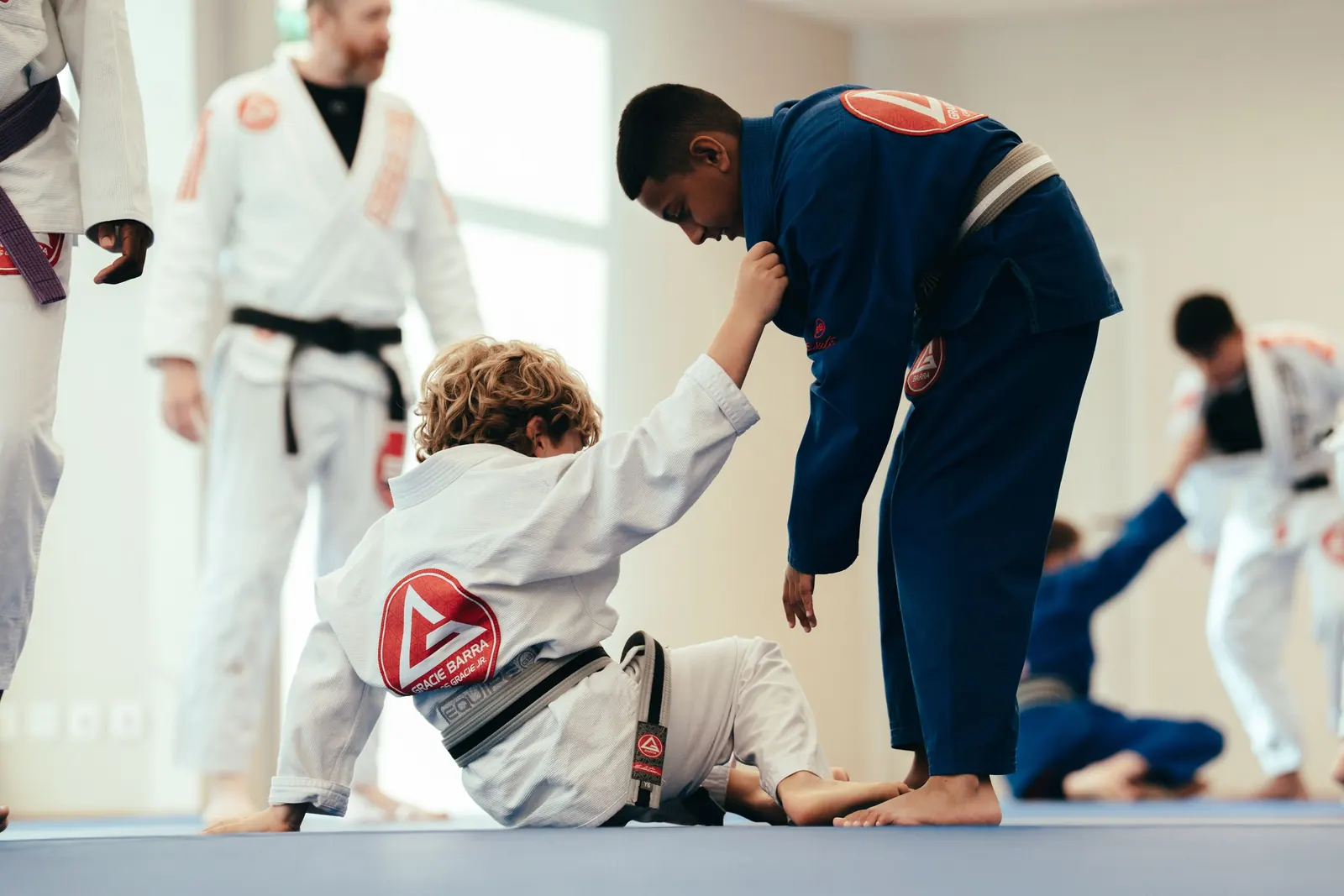
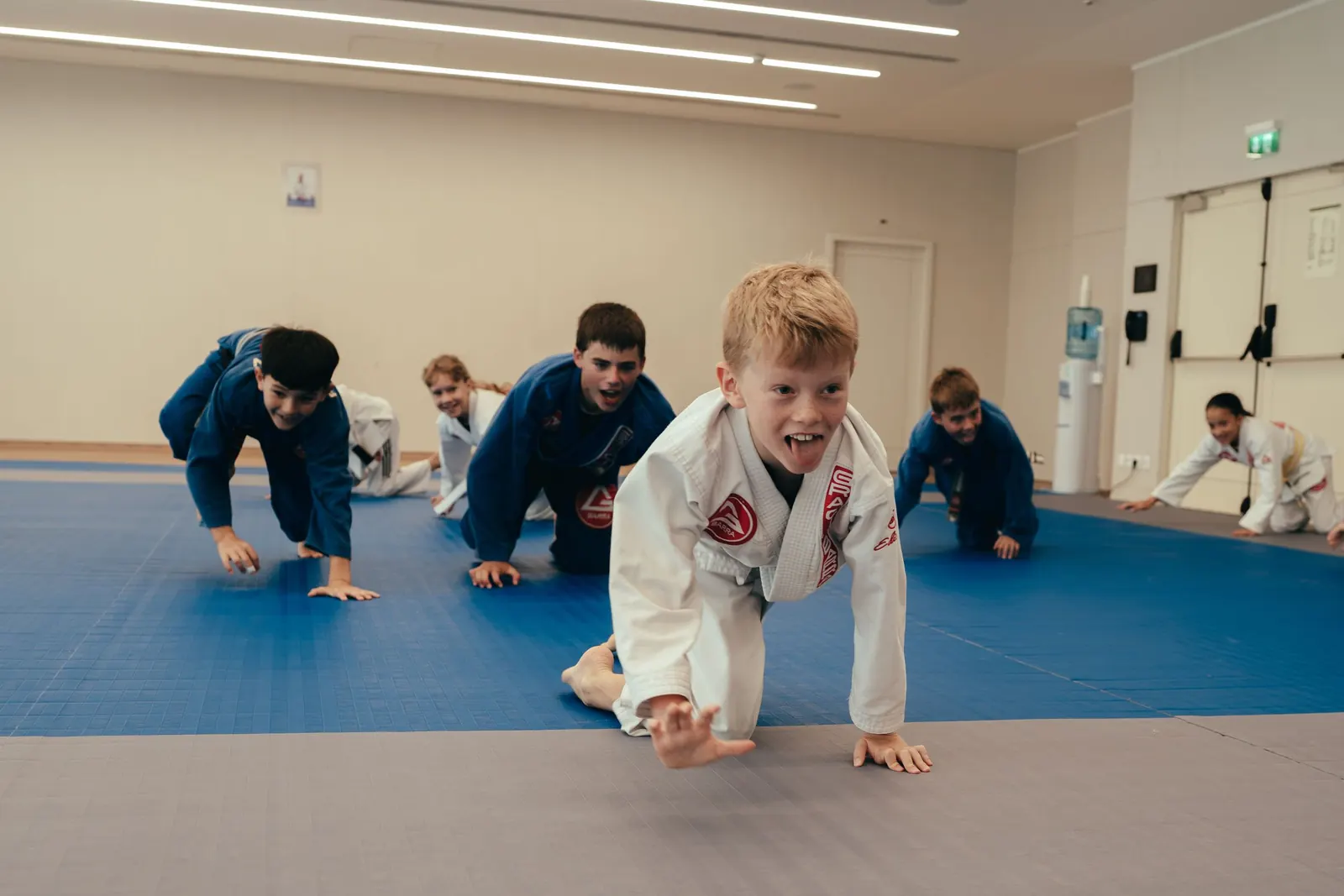
An hour of running, rolling, climbing and playing. They burn it off the way kids are meant to.
No more bouncing off the walls at bedtime.
Kids Jiu-Jitsu, ages 3 to 15
They learn to defend themselves, focus when it matters and believe they belong.
“Gracie Barra Bakersfield really deserves 5 stars.”
Jiu-Jitsu is a grappling martial art. Children learn how to maintain and escape positions of control.
For a child, that means learning to stay calm, solve a problem and try again.
Programme
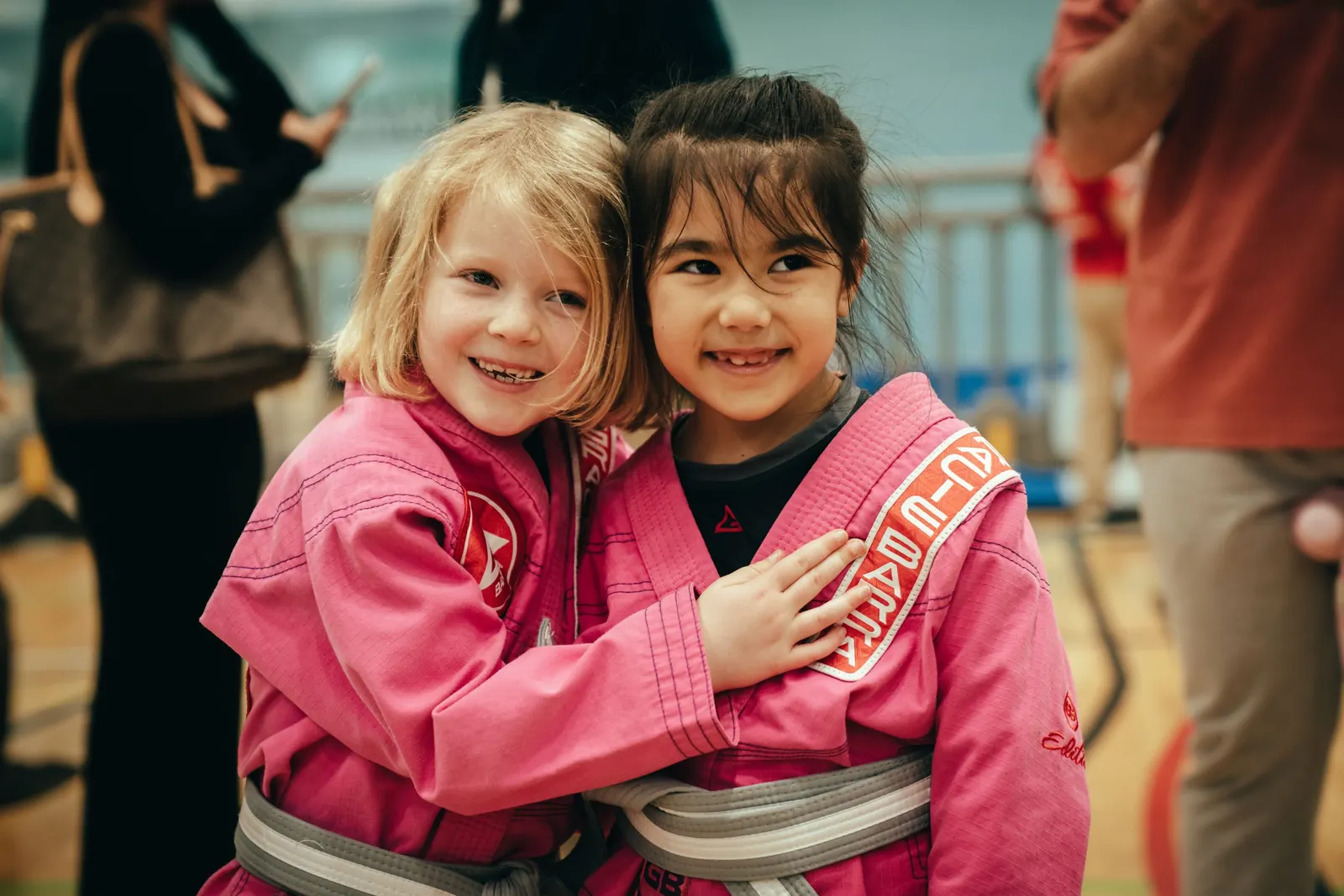
A safe first step on their own.
They learn to listen, take turns and try new things without a parent beside them.
They can watch first, then join in when they feel ready.
Programme
Their first proper class of their own.
School age, so they can follow a coach, wait their turn and remember what they were shown last week.
Everything is taught as a game they have to think their way through.
Programme
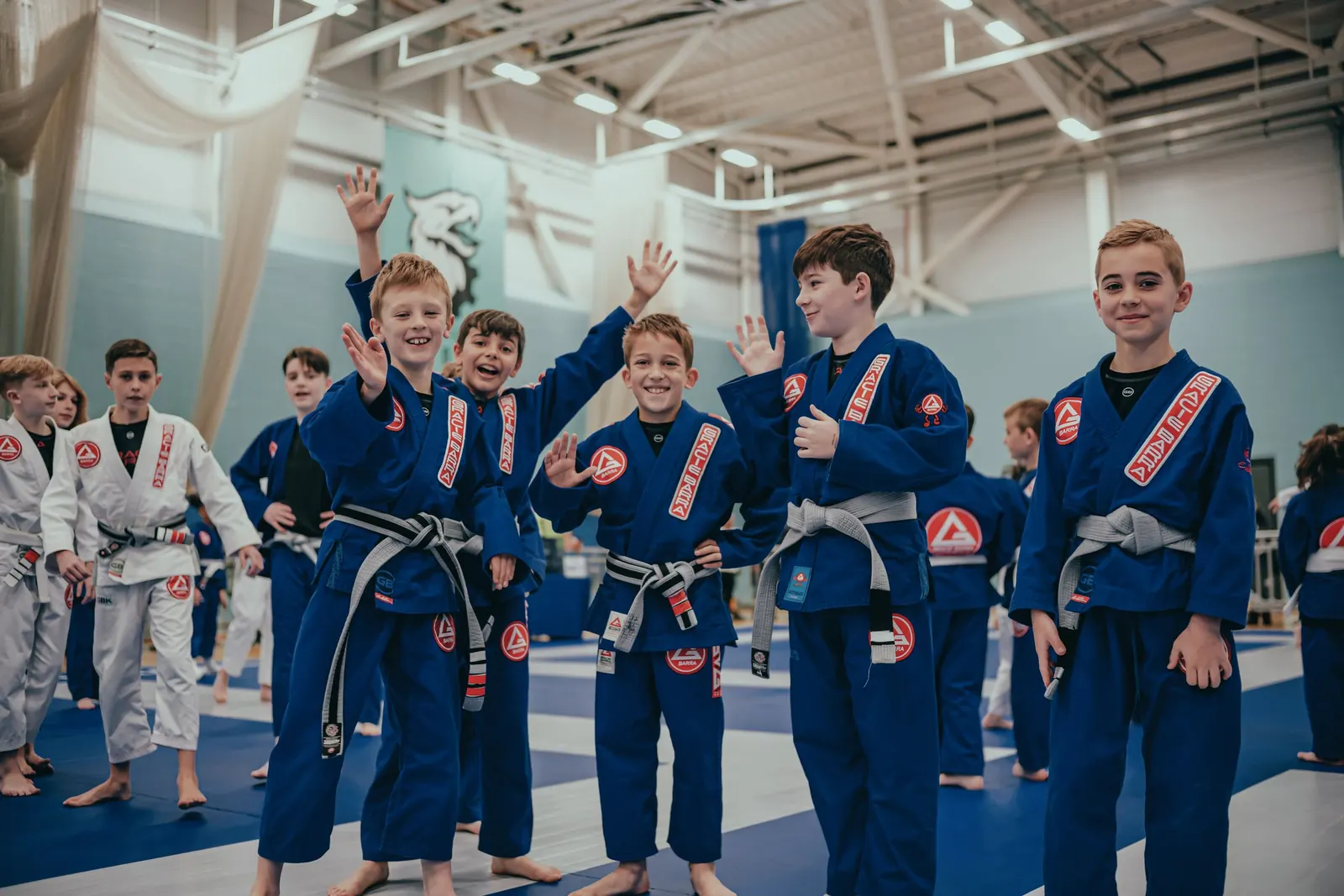
Where the technique starts to stick.
They stop copying the shape of a move and start understanding why it works.
This is the age most children begin sparring, with a coach watching every pair.
Programme
Old enough to be held to a standard.
Sessions get longer and the expectations go up, which is exactly what this age responds to.
They train with the same group each week and notice each other improving.
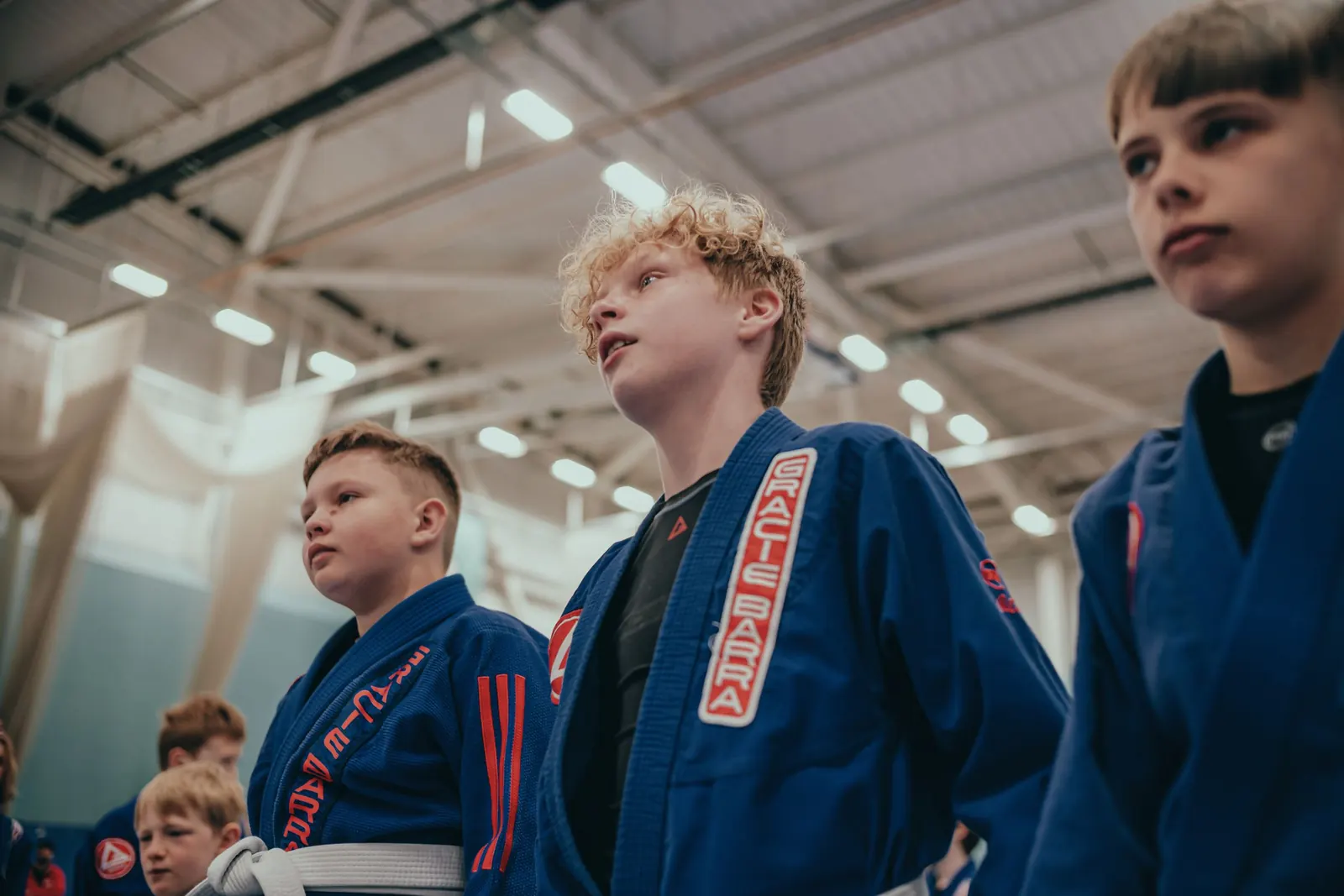
Programme
Skills that build belief in what they can do.
They get fit, learn useful skills and see themselves improve.
Training helps them stay calm under stress, trust their skills and feel sure of themselves.
The problem comes before the programme
Choose their age to see what often brings families through the door.
Other kids run in. Yours watches from the side. They are not unfriendly. They just cannot take that first step on their own.
They run everywhere. They climb everything. Bedtime is a negotiation. They need somewhere to put all that energy.
They are three. Listening is not their strong suit yet. You want something that teaches them without it feeling like school.
Drop-off is still rough. They cling at soft play. They want to join in but do not know how.
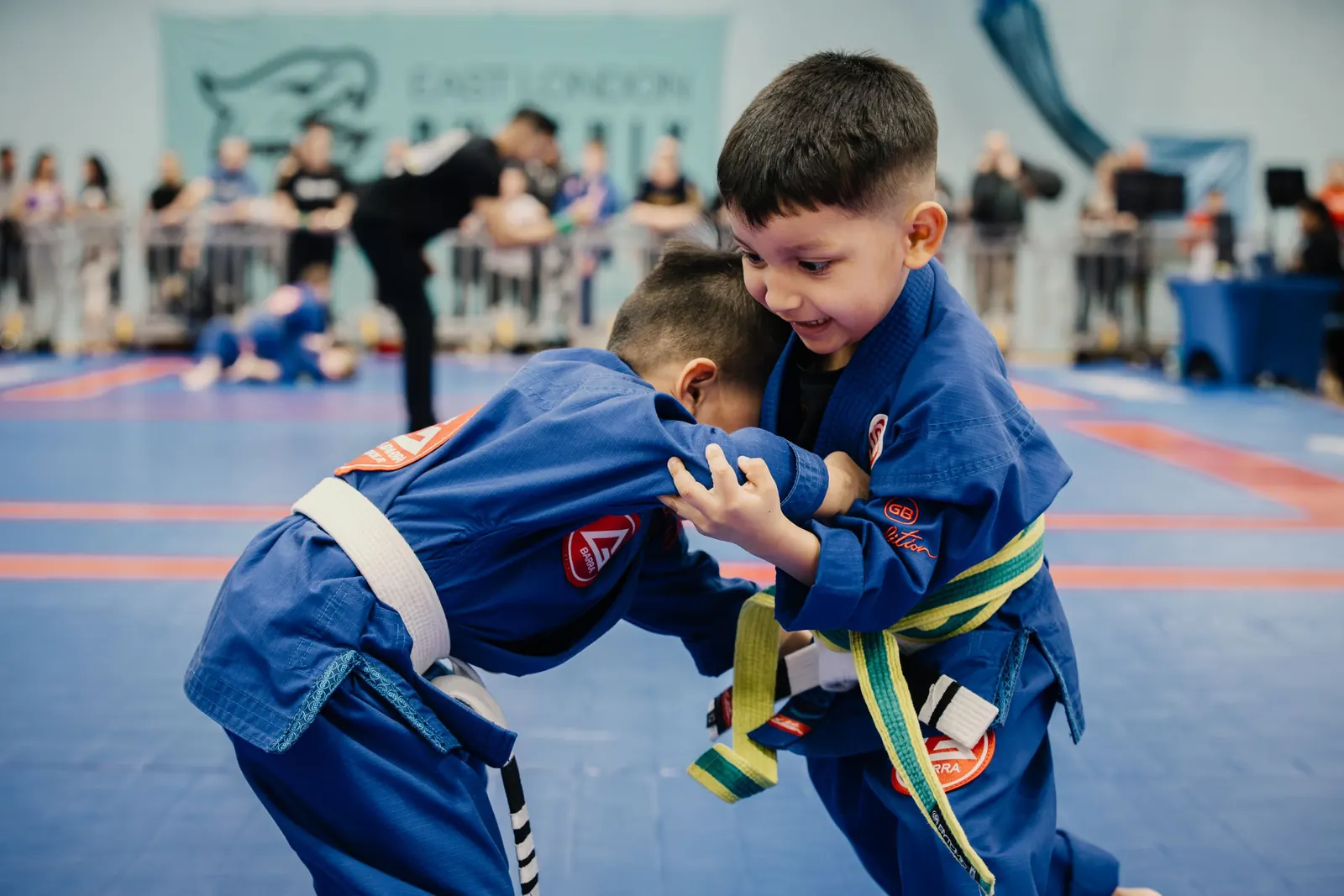
Other kids run in. Yours watches from the side. They are not unfriendly. They just cannot take that first step on their own.
Energy for ten kids, focus for none. Teachers mention it in every report and nothing you have tried has stuck.
You want them to be able to look after themselves. Not to start fights. Just to not be the easy option.
You ask three times. Homework turns into a standoff. You are not after a robot. Just someone who can hear it and do it.
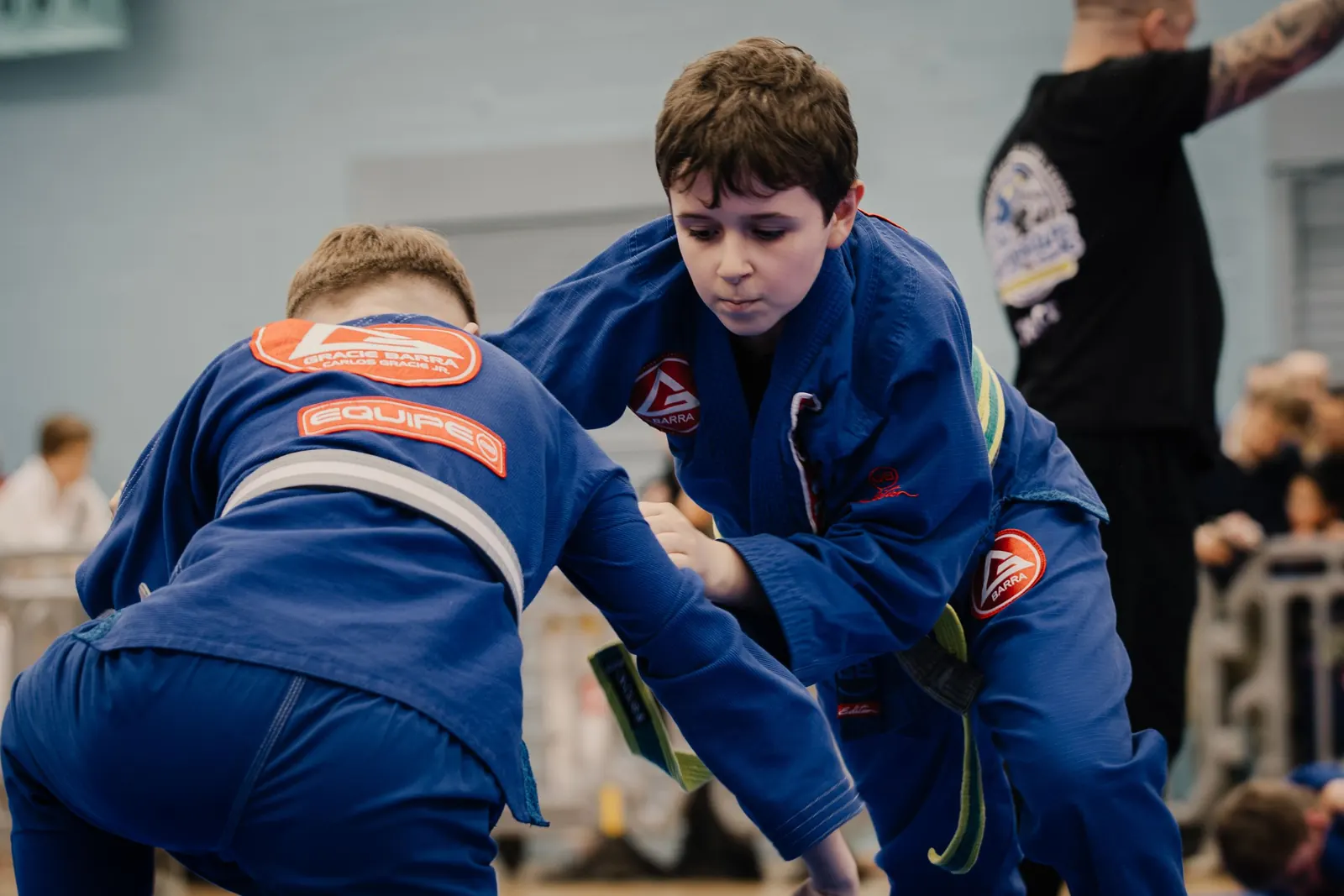
They used to do something. Now they come home and disappear. Phone, headphones, door shut.
They are quieter since secondary school. They avoid things they might fail at. You can see the spark fading.
You cannot pick their friends. But you can give them a room where the standards are set by the group, not the street.
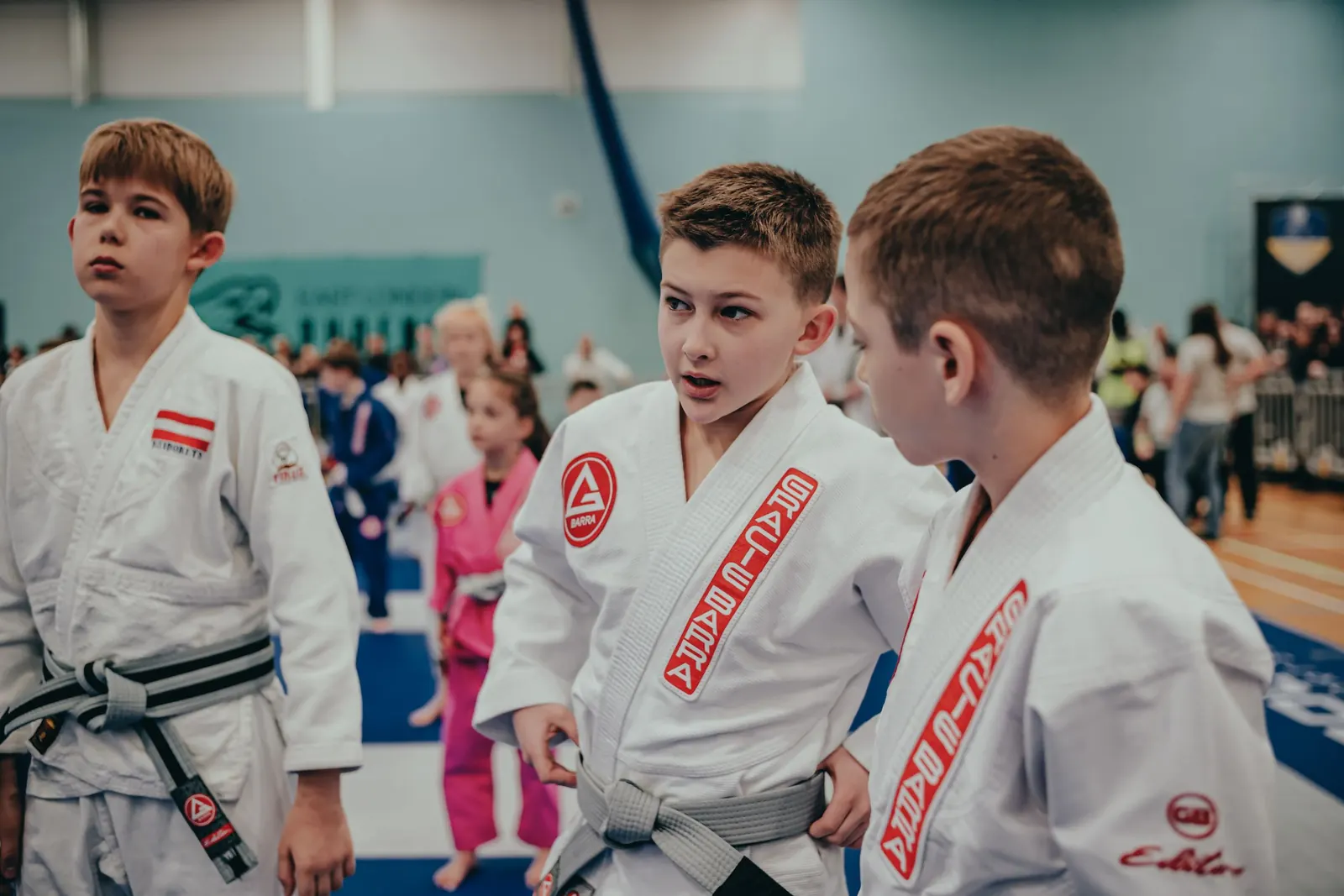
They are getting older and out more. You want them to know that if something happens, they can handle it.
What parents notice
Choose their age group to see the changes parents often notice.
An hour of running, rolling, climbing and playing. They burn it off the way kids are meant to.
No more bouncing off the walls at bedtime.
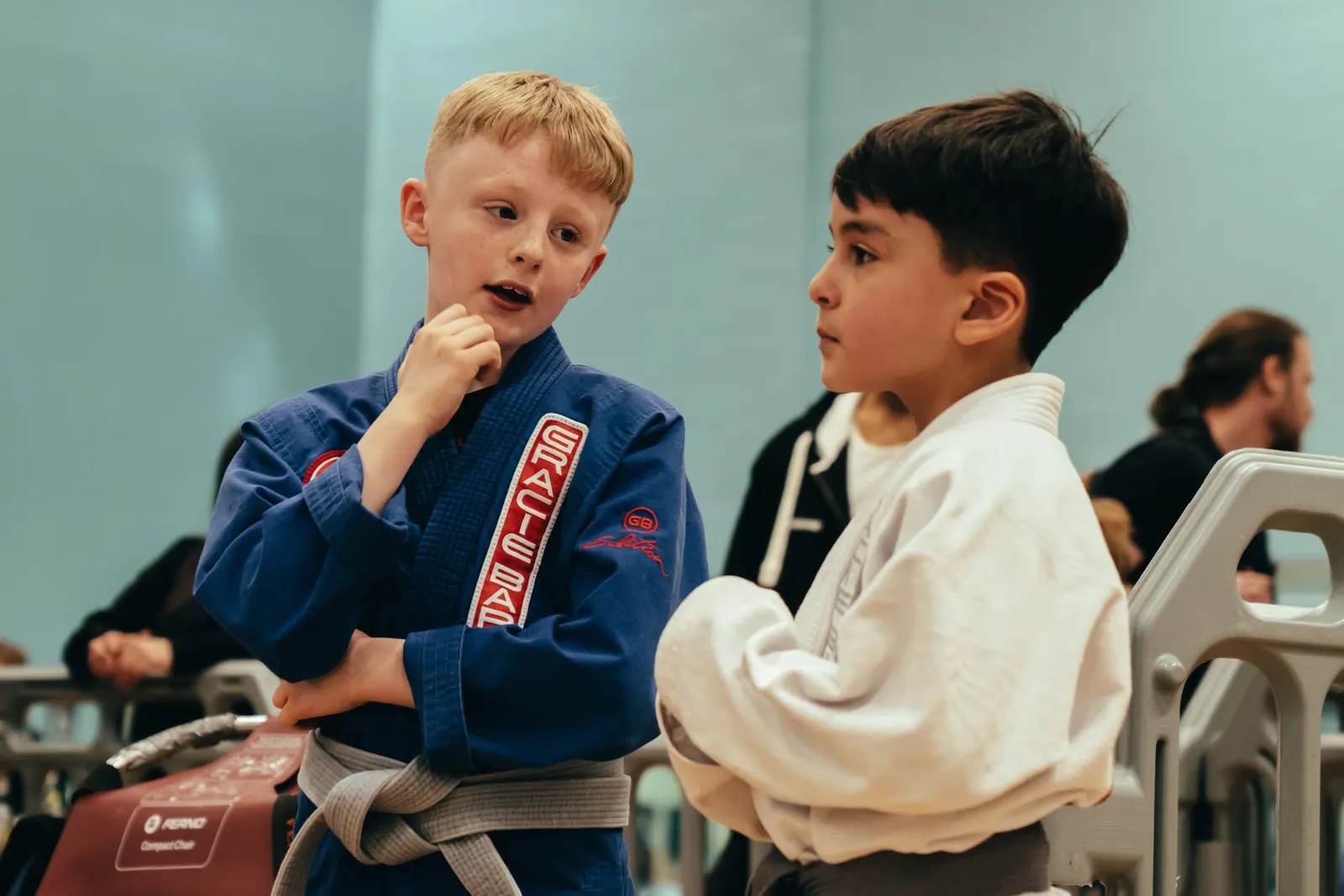
On the mat, the coach gives one instruction at a time. Watch. Copy. Try.
Parents tell us the listening starts showing up at home too.
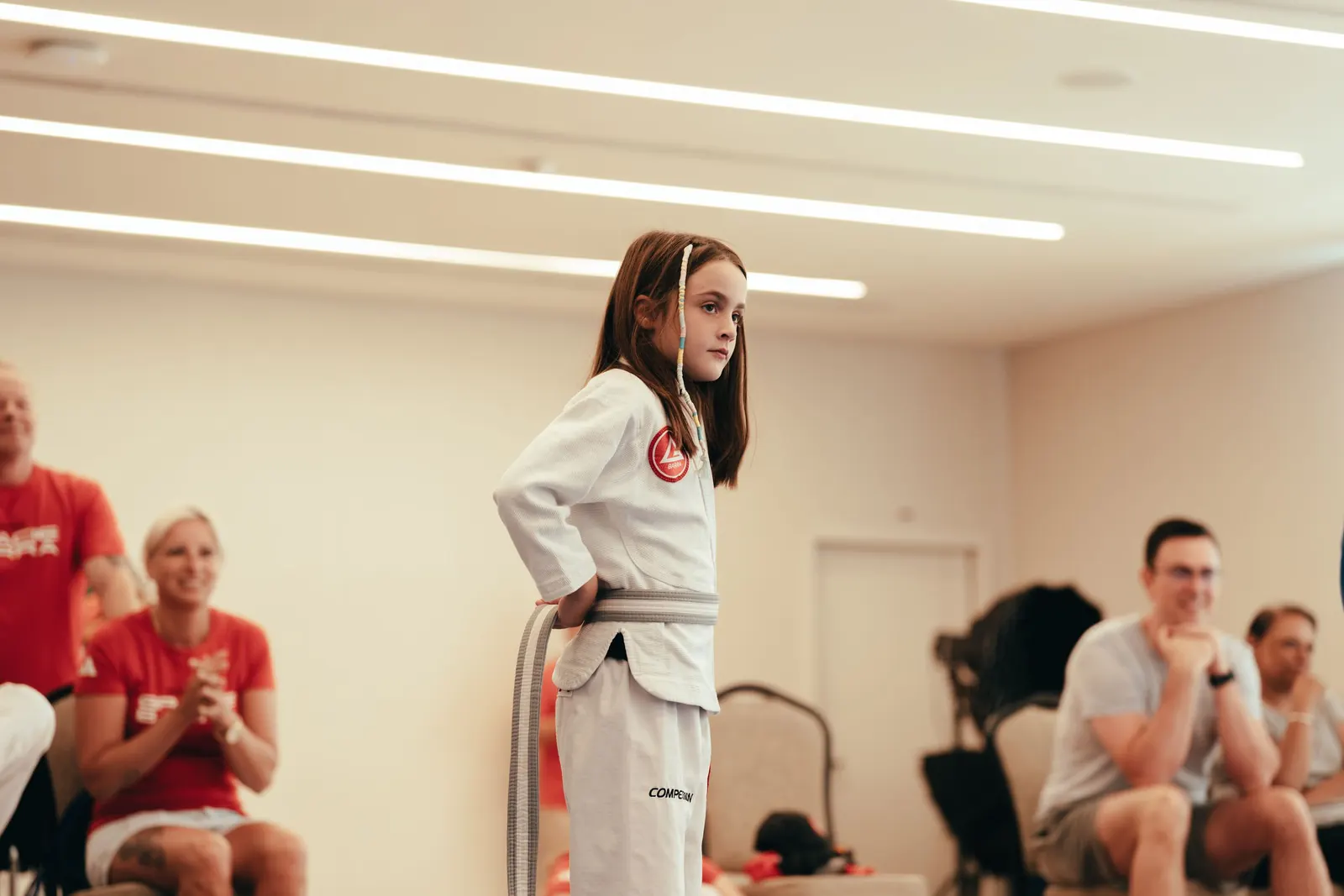
First week they sit on your lap. Third week they are on the mat. By month two they walk in on their own.
Small steps, big changes.
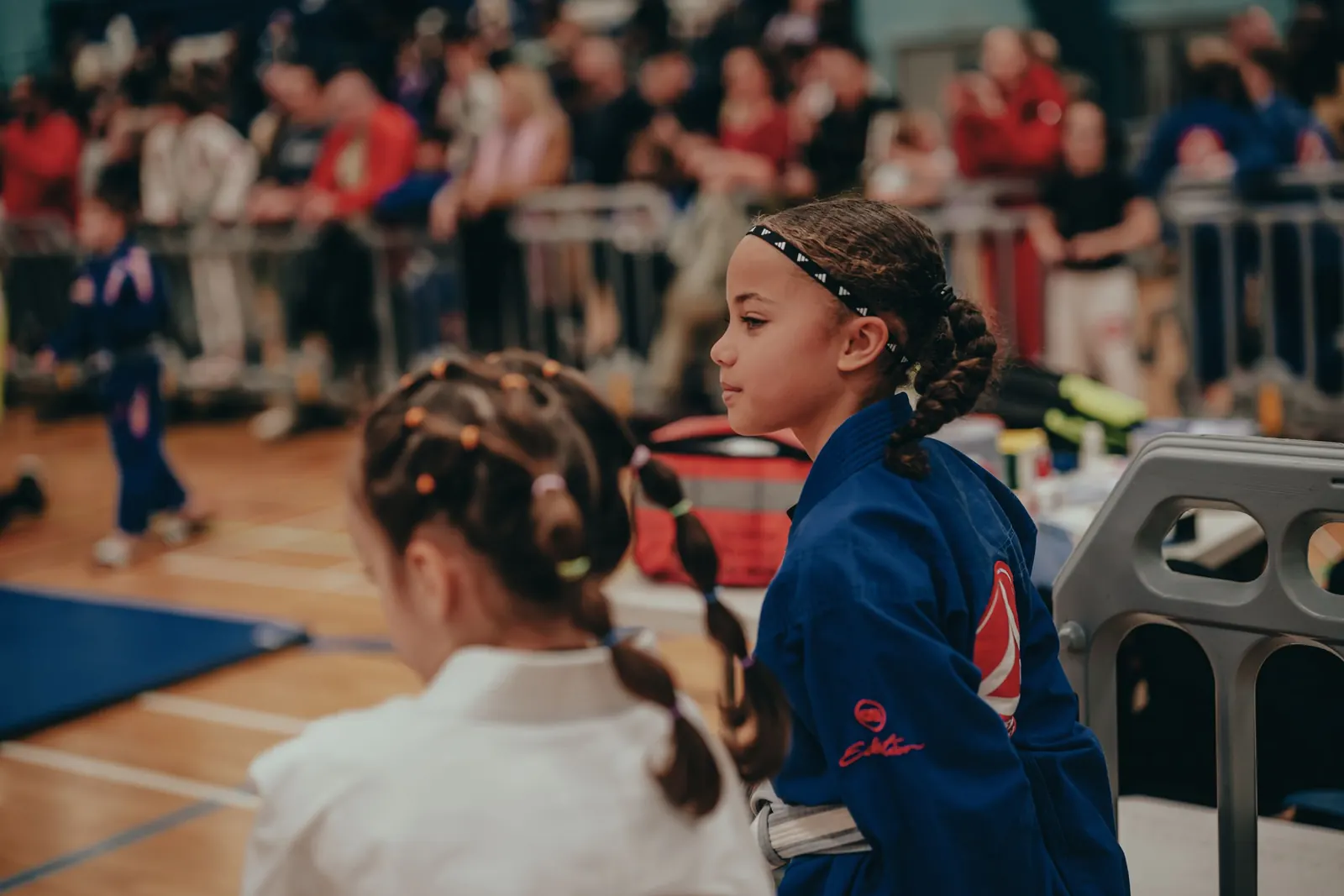
The first time your child gets a technique right, you will see it on their face.
They walk into rooms without looking back for you.
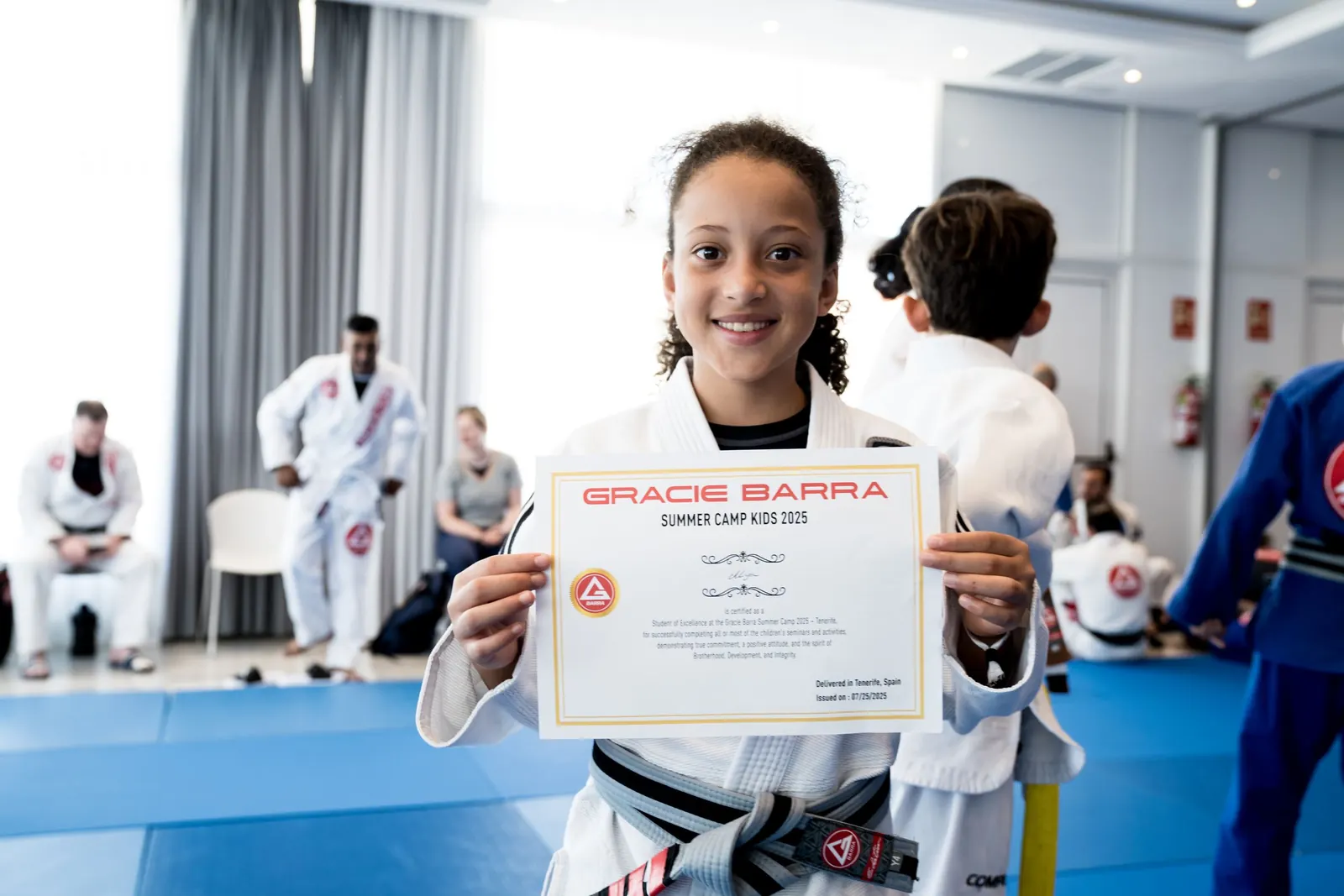
On the mat, your child has to watch, listen and then do. No screen. No skipping to the next thing.
Parents tell us the focus starts showing up at home and school.
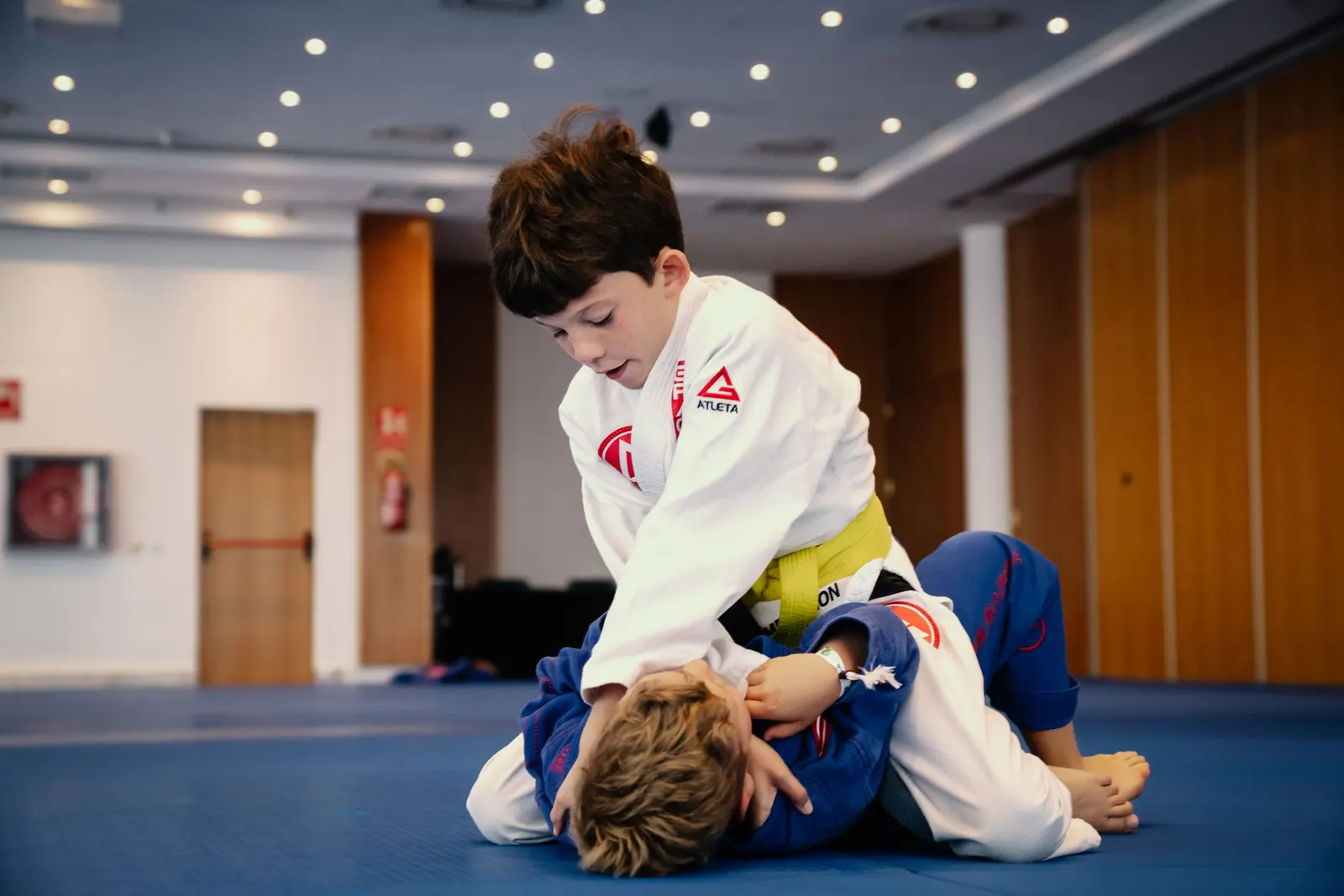
Your child learns to stay calm under pressure. Protect themselves and get out of a bad situation safely.
They are not learning to fight. They are learning they do not need to be afraid.
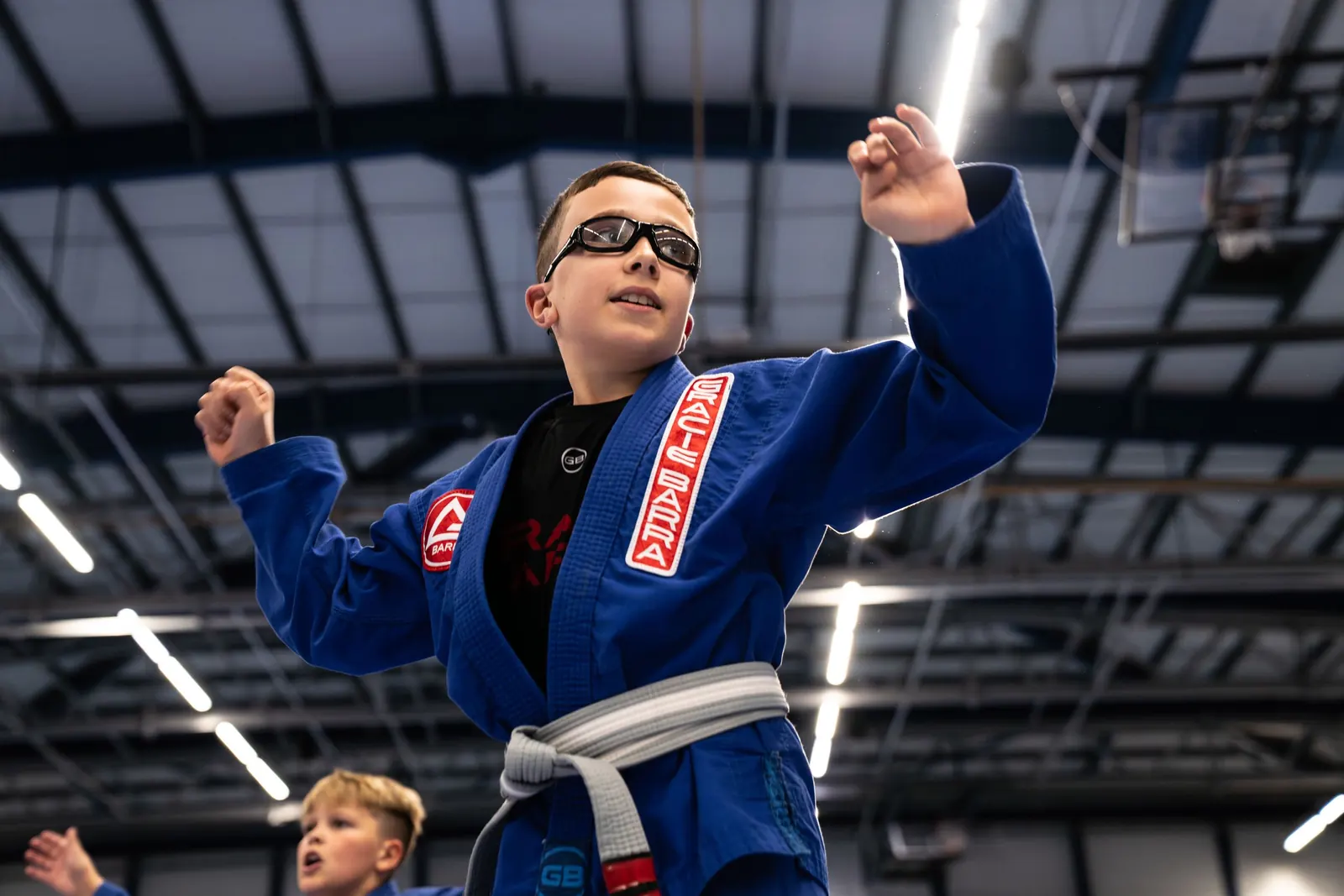
They will be too busy learning and problem-solving to notice how hard they are working.
They get fit without it ever feeling like PE.
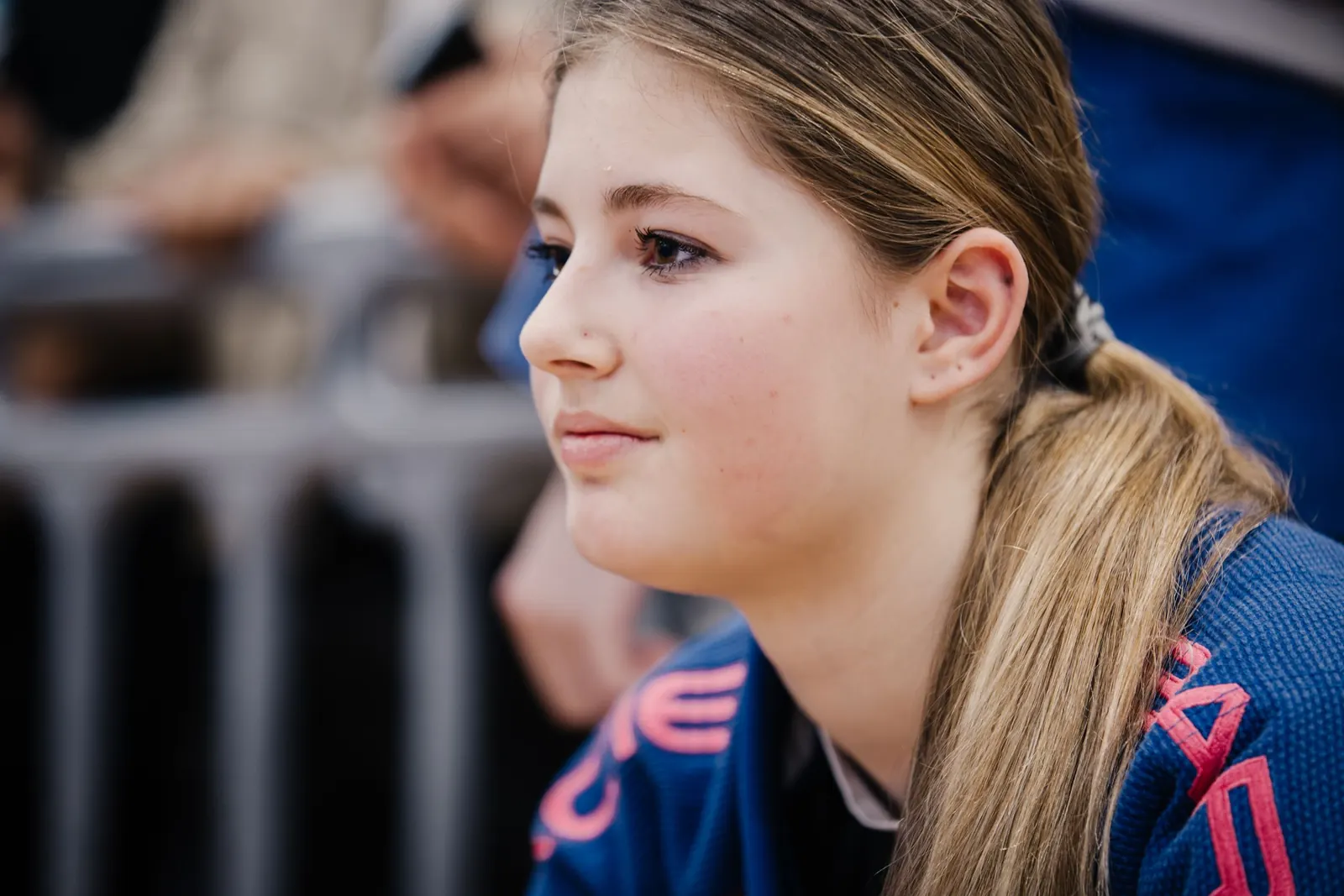
You will notice it before they do. Shoulders back. Eye contact. Walking into a room like they belong there.
Something shifts and it is not just physical.
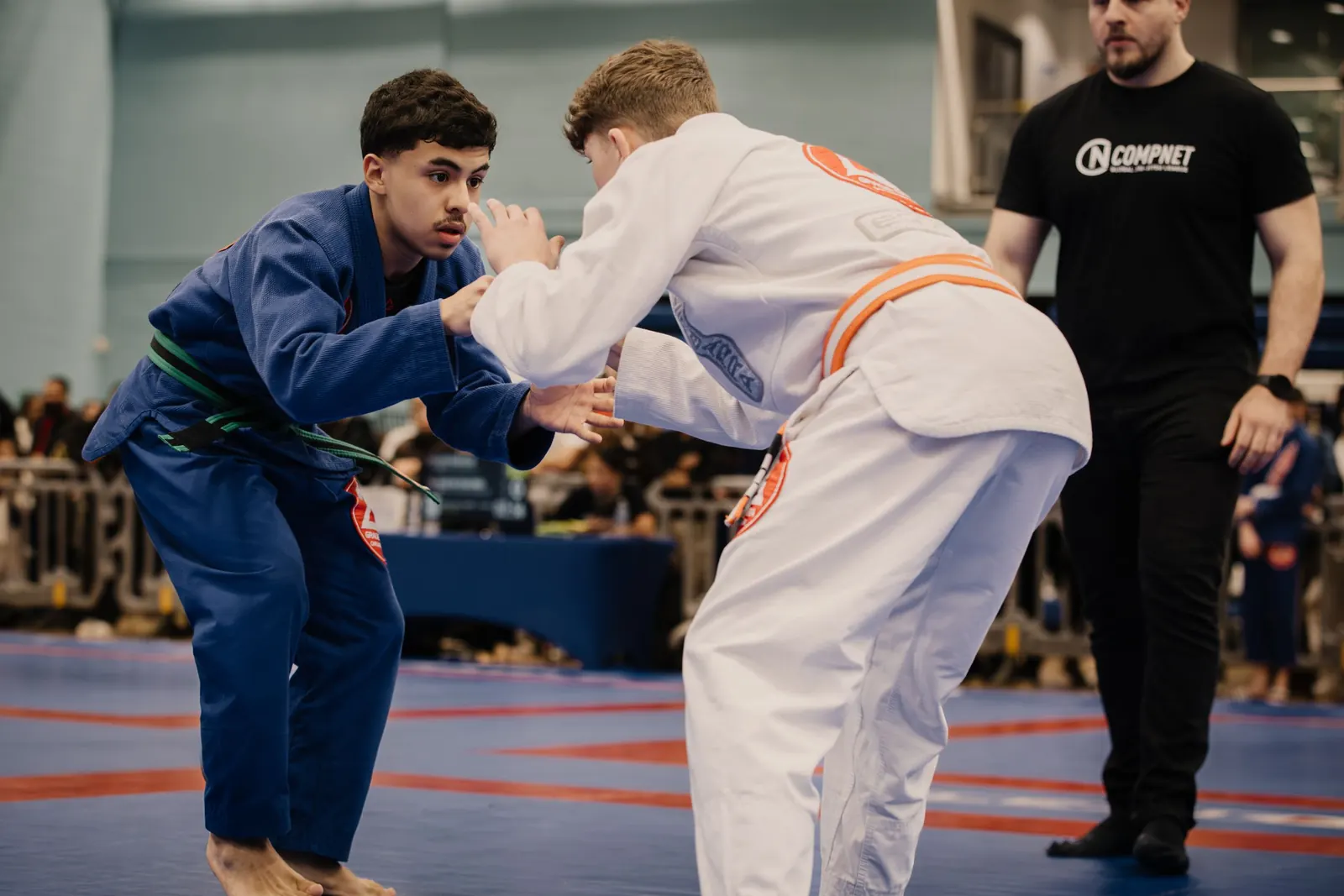
They train with the same group every week. People who work hard, show respect and expect the same back.
It stops being a session and starts being their team.
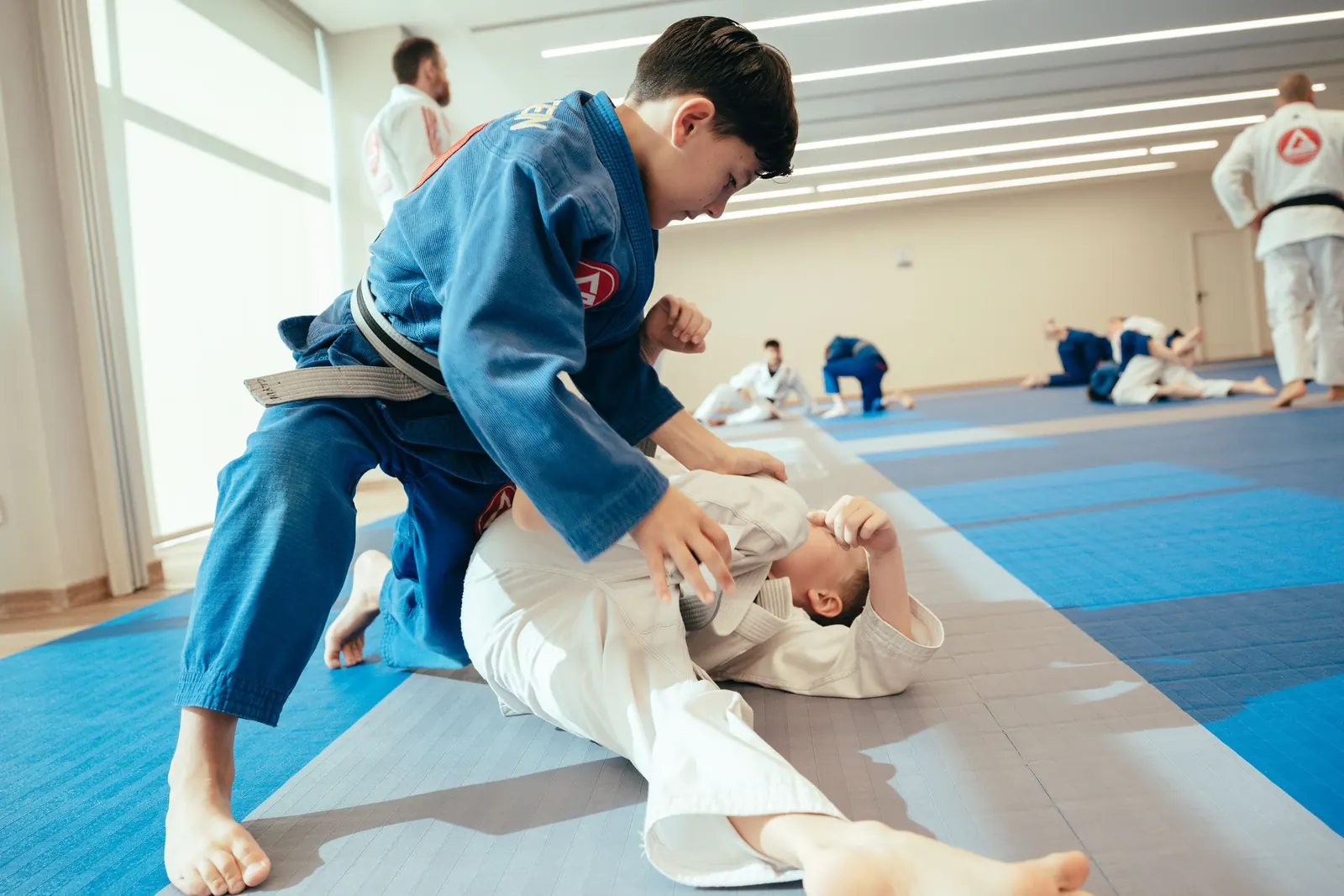
Your child is doing well at school and at home.
You want to give them skills they will not get in a classroom or on a football pitch.
Jiu-Jitsu teaches them to stay calm, solve problems and try again when something is hard.
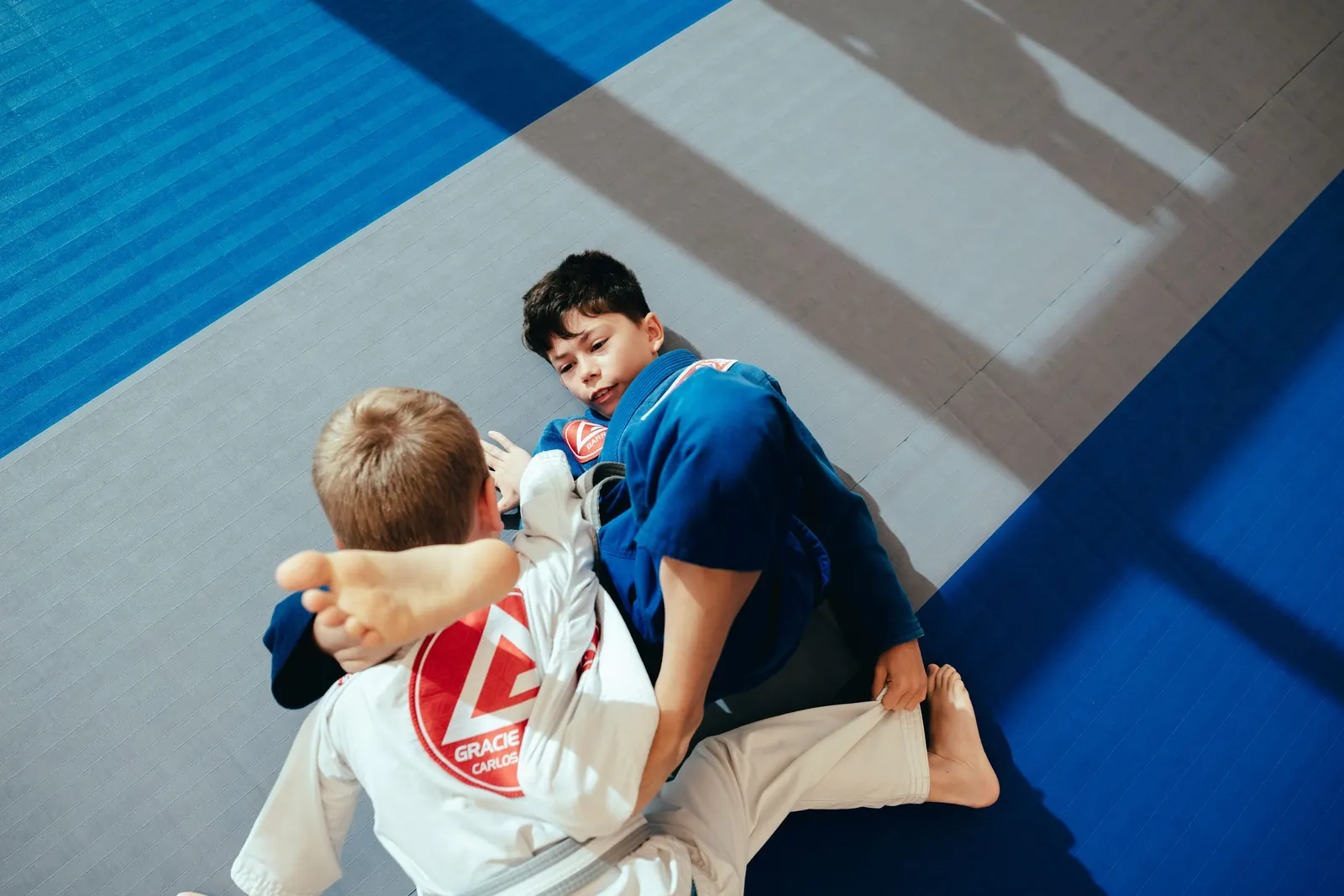
There is no striking in Jiu-Jitsu. Children learn each technique step by step.
Partners are chosen with size and experience in mind. Children also learn to tap, stop and look after each other.
My 4 year old had his first session today, he really enjoyed it!
No surprises, no pressure. Here is what happens when your child walks through the door for the first time.
You and your child will be welcomed in, shown around and given everything you need.
They will meet their coach, join in and learn a few basic techniques with help at every step.
They will have tried new skills, trained with other students and know what a real session feels like.
We will talk you through the options if they want to continue. There is no need to decide on the spot.
Real Google reviews, carried across unedited.
Great gym and better management.
This is a brilliant jiu jitsu school.
Excellent coaching, friendly and supportive atmosphere.
Bring them in comfortable clothes and slip-on shoes for getting on and off the mat. The academy will explain the uniform before you need to buy anything.
Yes. Parents can stay and watch while their child gets used to the room.
They can watch at first. Coaches do not force a child onto the mat before they feel ready.
No. The programme is split into five age groups: 3 to 4, 5 to 6, 7 to 9, 10 to 12 and 13 to 15. Coaches also consider size and experience when choosing partners.